
How to Protect Your Home From Burglars: Entry Points, Myths, and Mistakes
How burglars pick and enter homes, 20 quick home security tips, the myths that leave you exposed, and the mistakes Las Vegas and Phoenix homeowners still make.
The best way to protect your home from burglars is to make it a harder, riskier target than the house next door: lock and reinforce the ground-level doors, windows, and garage, keep the outside well lit and visible, make the house look occupied, and back it all up with a monitored alarm and cameras. Most burglars look for easy entry and an empty house, so small habits and the right equipment remove most of the opportunities they rely on. This guide covers how burglars choose a home, quick fixes, the myths that leave people exposed, and the mistakes Las Vegas and Phoenix homeowners still make.
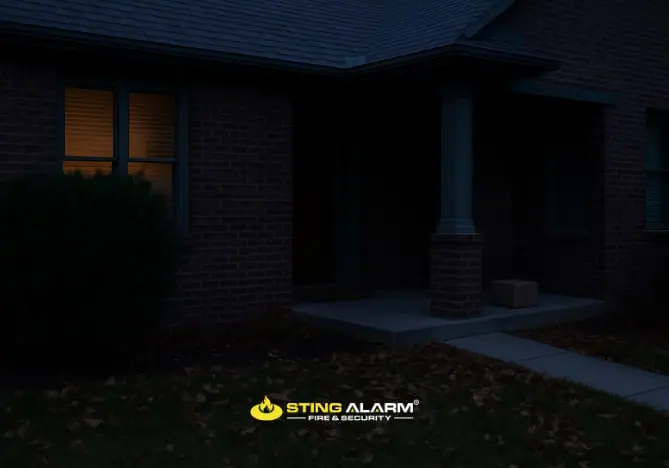
How burglars choose and enter a home
Burglars rarely pick a home at random. They look for one that seems empty, easy to get into, and unlikely to get them caught. Investigations of break-ins keep turning up the same patterns:
- Easy entry points. Unlocked doors and windows, weak locks, and sliding doors that lift out of their tracks.
- No visible security. No cameras, no alarm sign, no motion lights.
- Nobody home. Many residential burglaries happen during the day, when families are at work, school, or running errands and neighbors are often gone too.
- Poor lighting and cover. Dark entryways and overgrown shrubs give an intruder a place to work unseen.
- Valuables in view. Electronics, jewelry, tools, or new-purchase boxes visible from the street or left at the curb.
- Predictable routines. Leaving at the same time every day makes it easy to plan around you.
The entry points to protect first
Most break-ins start on the ground floor. The usual entry points are:
- The front door, especially with a weak lock or a frame that gives when kicked.
- First-floor windows, particularly ones left unlocked or hidden behind landscaping.
- The back door and sliding patio doors, which are out of view from the street.
- The garage, especially an attached garage with a door into the house.
- Sheds, side gates, and storage areas that hold tools a burglar can use.
- Second-story windows reachable from a tree, a wall, or a ladder left outside.
Force is not always needed. According to the FBI's 2019 Crime in the United States report, 55.7% of burglaries that year involved forcible entry and 37.8% were unlawful entries with no force at all. In other words, more than a third of burglars simply walked in through something that was left open.
Quick fixes: 20 home security tips
- Lock every door, every time, including the door between the garage and the house. One unlocked interior garage door is all it takes for someone to walk in at night and take car keys off a hook.
- Use deadbolts. A simple spring latch can be slipped with a card. A deadbolt with a full throw into the frame is much harder to defeat.
- Reinforce strike plates with long screws that reach the wall framing, not just the door jamb.
- Block sliding doors with a bar or dowel in the track, and pin them so they cannot be lifted out.
- Put sensors on every exterior door and accessible window so the alarm knows when one opens.
- Add a video doorbell. You see who is at the door and can talk to them from anywhere, which also tells a visitor someone is paying attention.
- Light the outside. Motion lights or a floodlight camera at driveways, side gates, and back doors remove the dark spots.
- Trim shrubs and trees away from windows and doors so neighbors can see your home.
- Store ladders and tools inside so they cannot be used to reach a window.
- Keep valuables out of sight from the street, and break down boxes from big purchases before recycling day.
- Make the house look lived-in with lighting schedules and smart plugs when you are away.
- Hold the mail and pause deliveries during trips. A full mailbox signals a vacant house.
- Keep up the yard while you are gone so the house does not look abandoned.
- Do not post travel plans on social media until you are home, and remind your kids too.
- Never leave a note on the door saying when you will be back.
- Ask service workers for ID if you did not schedule the visit, and call the company to confirm.
- Write down plates of unfamiliar vehicles that keep circling your street.
- Keep little cash at home and store important papers in a safe or safe deposit box.
- Photograph valuables and record serial numbers so police and your insurer can identify stolen items.
- Get a monitored security and fire system from a reputable company, so someone responds even when you cannot. Many insurers also offer a discount for monitored systems, so ask yours.
Home security myths that leave you exposed
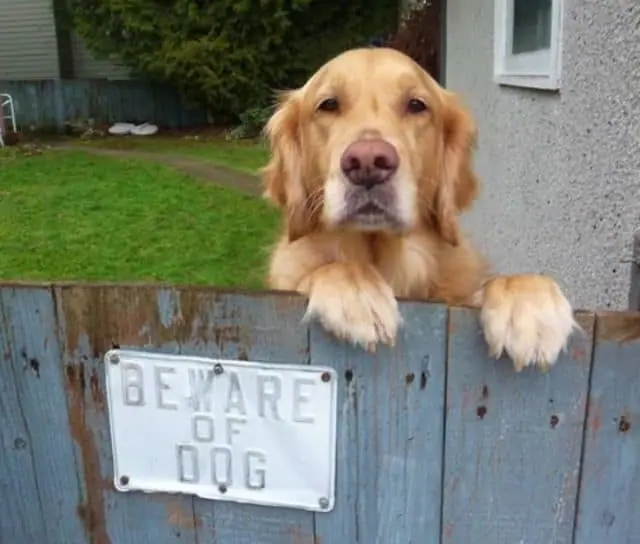
"A dog is all the security I need"
Dogs are great company and many burglars would rather skip a house with a barking dog. But a dog is not an alarm. It barks at delivery drivers and passing cars, so neighbors stop paying attention. It can be distracted with food. Some dogs hide when a stranger walks in. And a dog cannot call anyone when you are at work. An intruder may also hurt a dog that gets in the way. A monitored system with smart home cameras tells the difference between a real event and the mail carrier, alerts our monitoring center, and sends you video, whether or not anyone is home.
"Burglaries happen at night"
The cat burglar climbing through a window at 2 a.m. is mostly a movie image. Burglars want to avoid people, so many residential break-ins happen during the day while you are out. Summer travel season and holidays are prime time for the same reason. With cameras and an app, you can see what is happening at home from anywhere, and professional monitoring covers the alerts you miss.
"I live in a safe neighborhood"
Gated communities and nicer neighborhoods are not immune. Burglars often assume those homes hold more electronics, jewelry, and cash. A working alarm and cameras protect your home and add another set of eyes to the whole street.
"I don't own anything worth stealing"
Burglars want things that are easy to carry and sell: cash, jewelry, electronics, prescription drugs, and power tools from the garage. Most homes have plenty of that.
"You need a landline for an alarm"
Not anymore. Old systems that depended on a phone line could be defeated by cutting the wire. Today's systems use cellular communication. Our standard panel, the Qolsys IQ Panel 5, has a built-in cellular communicator, and we install a backup battery in the panel so it stays online if the power goes out.
"Renters can't have a security system"
Wireless sensors, cameras, and panels install without major construction and can move with you. Renters get the same app control and monitoring as homeowners.
"Security systems are easy to beat"
Some are. A system that relies on a phone line or a single internet connection has weak spots. A cellular panel connected to a cloud platform and a monitoring center is much harder to defeat, as the next section shows.
Common mistakes homeowners still make
Our Phoenix team sees the same handful of mistakes over and over, and they apply just as much in Las Vegas:
- Relying only on door locks. Locks are the start, not the plan. Add door and window sensors, motion detectors, and a video doorbell so you know when something opens.
- Skipping monitoring. An unmonitored alarm only helps if someone nearby hears it. With home security monitoring, alarms go to our UL-listed monitoring center 24/7.
- Forgetting the garage. Garages hold vehicles, tools, and often a door into the house. Put a sensor on the garage door, a camera on the driveway, and a lock on the interior door.
- Outdated fire protection. Old battery smoke alarms that nobody tests are a risk of their own. Monitored smoke, heat, and carbon monoxide detectors alert you and the monitoring center even when you are away.
- Never checking the system. Sensors shift, batteries run down, camera views change. Test the system regularly and make sure the app still sends alerts. See our guide to testing and maintaining your security system.
Spot the gaps on your own front porch
Walk out to the street tonight and look at your home the way a stranger would. The four gaps we see most often:
- A package sitting on the porch. Have deliveries left behind a gate or side entry, or use a lockbox. See our guide to stopping package theft.
- No video doorbell on the most-used door in the house.
- Shrubs covering a window, giving someone a place to work unseen.
- A dark entry. Smart lighting that turns on at sunset or when someone approaches keeps the house looking active.
A bonus fifth fix: a floodlight camera over the driveway or side gate adds bright motion lighting and recorded video in one device.
Crash and smash attacks and how cellular, cloud-reporting panels defeat them
A crash and smash attack targets the alarm itself. The intruder kicks in the door (the crash), then finds and destroys the keypad or panel (the smash) during the entry delay, before the system can sound and send a signal. Most systems give you somewhere around 30 to 60 seconds to disarm after a door opens, and that window is what the attack exploits.
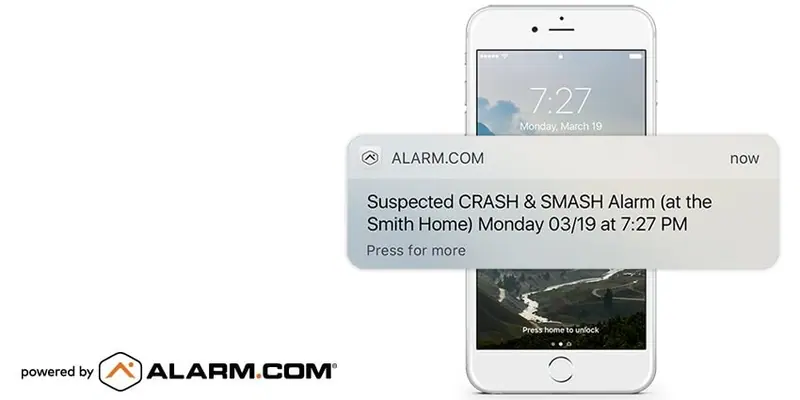
A cloud-connected system closes it. When the entry delay starts, the Alarm.com platform expects one of two things: a disarm or an alarm. If the panel suddenly goes silent during the countdown, the platform treats it as a third event, a suspected crash and smash, and sends the alarm anyway. Because the decision happens in the cloud, it does not matter how thoroughly the panel is destroyed. A trained operator at our monitoring center then handles the event and contacts the police, and you get an alert on your phone. The panel's built-in cellular connection means there is no phone line to cut beforehand, either.
Working with neighbors: lighting, cameras, and neighborhood watch
Your neighbors are often the first people to notice something wrong at your home. A few habits make the whole street safer:
- Know the neighbors on every side and which vehicles belong at their homes. That is the core of any neighborhood watch, formal or not.
- Share information quickly. A group text or a neighborhood app helps everyone hear about suspicious activity, package thefts, or scams while it still matters.
- Coordinate lighting and cameras. Well-lit yards and cameras that cover the street make a block a poor choice for a burglar. If something happens, knowing who has cameras makes it easier to gather footage for police.
- Borrow from crime-free apartment programs. The safest apartment communities rely on window locks on ground-floor units, long screws in door hardware, landscaping that leaves no hiding spots, and good lighting. Homeowners can use the same checklist.
- Watch each other's homes during trips by picking up packages, moving trash cans, and parking in a driveway now and then.
Put it together with one system
Locks, lighting, and good habits stop most opportunistic burglars. A monitored smart home security system covers the rest: sensors on every entry point, cameras that tell people from pets and shadows, smart locks you can check from anywhere, and a cellular panel with Crash and Smash protection reporting to our monitoring center. Sting Alarm has been designing and installing these systems since 2003, and we serve homeowners across Las Vegas and the Phoenix metro.
Want a second set of eyes on your home? Call Las Vegas (702) 737-8464 or Phoenix (602) 431-1300, or request a free quote.
Get a free home security review
Tell us about your home and a local security expert will help you close the gaps.
What happens next
Over 1,000 five-star Google reviewsFrequently asked questions
What is the most common way burglars get into a home?
Most break-ins start at ground level, through the front door, back door, first-floor windows, or an attached garage. FBI data for 2019 shows that 37.8% of burglaries were unlawful entries where no force was used, which means an unlocked door or open window was enough.
Do burglaries happen more often during the day or at night?
Many residential burglaries happen during the day, when homes are empty because people are at work, school, or running errands. Burglars want to avoid meeting the homeowner, so a quiet house in the middle of the day is an easier target than an occupied one at night.
Is a dog enough to protect my home from burglars?
A dog can be a deterrent, but it is not a replacement for an alarm. Dogs can be distracted, may hide from an intruder, and cannot call for help when you are away. A monitored system alerts our monitoring center and your phone whether or not anyone is home.
Do I need a landline for a home security system?
No. Our standard panel, the Qolsys IQ Panel 5, has a built-in cellular communicator, so there is no phone line to cut. We also install a backup battery in the panel so it stays online during a power outage.
What is a crash and smash attack?
A crash and smash attack is when an intruder forces the door and destroys the keypad or panel during the entry delay, before it can send an alarm. Alarm.com's Crash and Smash protection watches for a panel that goes silent during the countdown and treats that as a suspected attack, so the alarm still reaches the monitoring center.
What should I do if I come home and find my door open?
Do not go inside. Go to a neighbor's home or somewhere safe and call the police. If you have cameras and a smart security app, check the video and the activity history from your phone before anyone re-enters.