
Video Verified Alarms for Las Vegas Businesses
What a video verified alarm is, why confirmed events matter to police in Las Vegas, and how Sting Alarm connects cameras to your alarm to verify what happened.
A video verified alarm is an alarm that a person has confirmed with video before it is escalated: when a sensor trips, a camera shows what is actually happening, so a real intrusion can be reported as a confirmed event and a false alarm can be cleared. Sting Alarm connects intrusion sensors and cameras on one platform for Las Vegas businesses, and verification can be done by you on the app, by our monitoring center, or by live remote guarding operators.
What video verification is
A traditional alarm knows one thing: a sensor tripped. It does not know whether that was a burglar, an employee who forgot the code, a door that blew open, or a balloon drifting past a motion sensor. Video verification adds eyes. Each alarm event is tied to video from a camera covering the same area, and a person reviews that video to decide what happened.
How a video verified alarm works
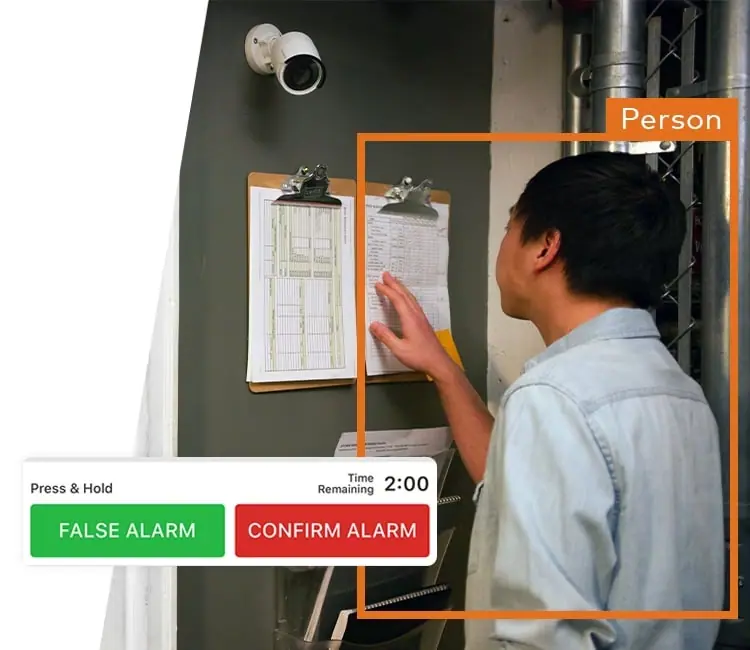
- A sensor trips. A door contact, motion sensor, or glass break detector triggers the alarm.
- The camera captures the moment. A camera covering that area records a clip or opens a live view, tied to the alarm event.
- A person reviews the video. You, our monitoring center, or a remote guarding operator looks at what triggered the alarm.
- The event is confirmed or cleared. If the video shows a real intrusion, it is reported as a confirmed event with what was seen. If it shows nothing suspicious, the alarm is cleared without sending anyone.
Why verified events matter to police
Police dispatchers have to decide which calls to send officers to first, and they prioritize based on the information they have. An unverified alarm gives them very little: a sensor tripped at an address. A verified event is different. Someone watched a person break in, can say where they are and what they look like, and can confirm a crime in progress.
That difference matters in Las Vegas. The Las Vegas Metropolitan Police Department, which covers the City of Las Vegas and unincorporated Clark County, answers this question in its official FAQ: it only broadcasts burglar alarm calls, and although an available officer in the area might respond by choice, a unit is not dispatched. The same FAQ notes that the company monitoring the alarm dispatches a guard. With video verification, the call is no longer just an alarm. It is a report of what someone is seeing.
Ways to verify an alarm
- On your phone: receive a video alert when an alarm trips and see right away whether it is a false alarm or a real emergency.
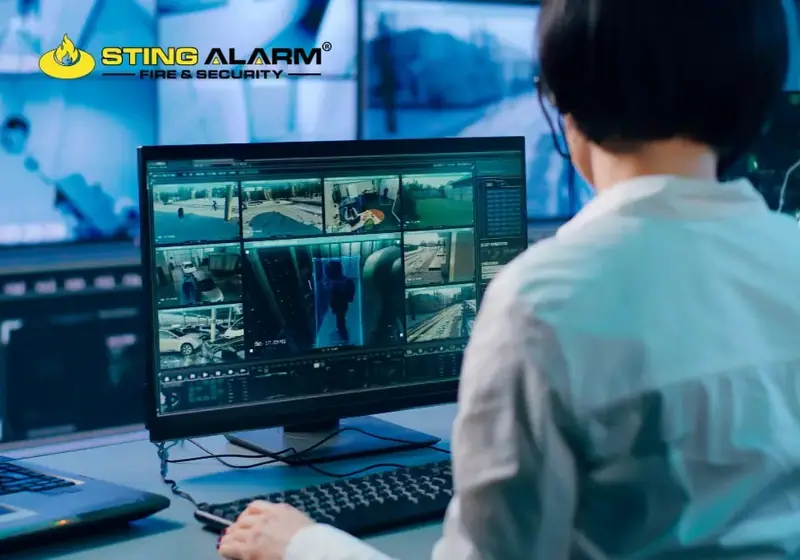
- Through our monitoring center: alarm signals go to our UL-listed monitoring center 24/7, and connected video gives the operator more to work with than a sensor alone.
- With remote guarding: live operators watch the video, speak to intruders through on-site speakers, and contact law enforcement with live video of the incident.
- With patrol response: a licensed security officer can be dispatched to check the property in person. See patrol response.
Smarter alerts, fewer false alarms
Simple motion detection reacts to wind, shadows, headlights, and animals. Video analytics evaluate what moved, telling a person or vehicle from background motion, and can separate normal daytime activity from unusual after-hours access. That means fewer nuisance alerts and more confidence that an alert deserves attention. For more on how this is changing commercial security, read how AI video verification is changing commercial security in Las Vegas.
Setup determines performance
Video verification is only as good as its configuration. Camera placement, lighting, network stability, and analytics tuning all affect results, so every property needs an evaluation based on its layout, traffic, and risks. We design camera coverage so that each protected entry point and interior zone has a camera that can actually see it, then tune analytics to the site rather than applying a preset. See how we plan coverage on our video surveillance page.
Who benefits from video verification
- Retail stores and restaurants with storefront glass and after-hours alarms.
- Offices and medical offices that sit empty overnight and on weekends.
- Warehouses, construction sites, and equipment yards with large areas to cover.
- Multi-location businesses that need the same verified process at every site.
Part of an integrated security system
Video verification connects your intrusion detection sensors and cameras inside one business security system. Clear event records also support reporting and insurance requirements. Because Sting Alarm also provides fire protection, security and fire documentation stay with one vendor.
Why Sting Alarm
- Local and independently owned since 2003
- Over 1,000 five-star Google reviews
- Nevada Low Voltage License C2D-0061014
- 24/7 security and fire monitoring from our monitoring center
Want to know if your current system supports video verification? Call (702) 737-8464 or request a free quote to have our Las Vegas team review your setup.
Find out if your system supports video verification
Tell us about your current alarm and cameras, and a local security expert will review your setup.
What happens next
Over 1,000 five-star Google reviewsFrequently asked questions
What is a video verified alarm?
A video verified alarm is an alarm event that a person has confirmed by looking at video. When a sensor trips, a camera covering that area sends a clip or live view, and someone reviews it to decide whether it is a real intrusion or a false alarm before the event is escalated.
How is video verification different from a traditional alarm?
A traditional alarm only reports that a sensor tripped. It cannot tell anyone whether a burglar, an employee, or a balloon caused it. Video verification adds a picture of what actually happened, so the response matches the situation.
Why do police care whether an alarm is verified?
Dispatchers prioritize calls based on the information they have. A tripped sensor alone could be anything, while a report from someone watching a person break in is a crime in progress with a description. In Las Vegas, LVMPD's official FAQ says it only broadcasts burglar alarm calls and does not dispatch a unit, though an available officer may respond by choice.
Can I verify alarms myself from my phone?
Yes. When an alarm trips, you can receive a video clip on the app and see what triggered it. Our monitoring center and remote guarding operators can also review video for you, so verification does not depend on you answering your phone at 2 a.m.
Do I need new cameras for video verification?
Not always. Video verification needs cameras that cover the areas your alarm sensors protect and that connect to the same platform. We evaluate your existing cameras and integrate compatible equipment where we can.
Does video verification reduce false alarms?
It reduces unnecessary escalations. When video shows an employee who entered the wrong code or a door that blew open, the event can be cleared without sending anyone, and analytics that tell people from shadows or animals cut down on nuisance alerts.