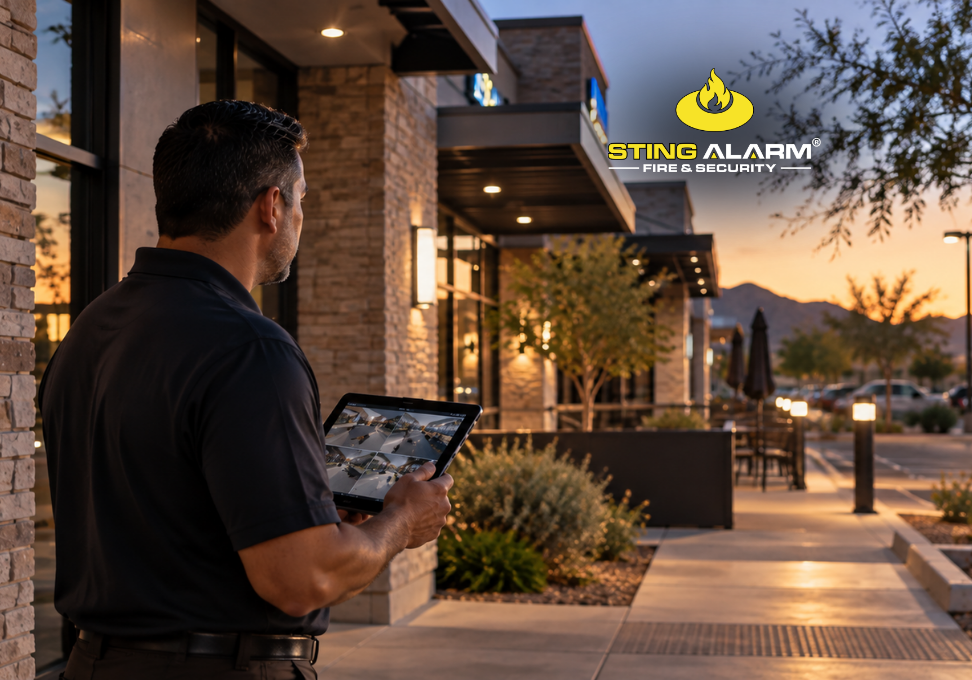

Remote guarding for retail properties gives business owners and operations leaders a practical way to address exterior activity while it is still happening. The service combines video analytics with review by a live security professional. When activity matches the rules set for a location, the operator can assess the event, issue a direct verbal warning through an on-site speaker when appropriate, and follow the store’s escalation plan.
For one store, this can add consistent oversight after employees leave. Across a regional portfolio, it can create a repeatable response process without requiring a guard in every exterior area. Results depend on the design. Store hours, access patterns, camera views, lighting, and response priorities all shape the coverage.
Why Retail Exteriors Need a Different Security Plan
A retail location does not become inactive when the doors lock. Employees may still be closing registers. Cleaners, vendors, or scheduled deliveries may arrive, and customers may remain in the parking area. Yet entrances, loading zones, service corridors, and parked vehicles receive less natural oversight.
Commercial security cameras remain valuable, but recorded footage often serves as evidence after an incident. Intrusion detection serves a different purpose. It responds when a protected door, window, or interior zone is triggered. Remote guarding can add coverage earlier by reviewing defined exterior activity before a break-in or other property event is confirmed.
How Remote Guarding Works for Retail
A remote guarding plan should define what the system watches, when monitoring is active, and what the operator is authorized to do. A typical event follows four steps.
- Configured activity is detected. Video analytics monitor selected areas during selected hours. For example, a person entering a loading area after closing may trigger review. Routine traffic outside the detection zone may not.
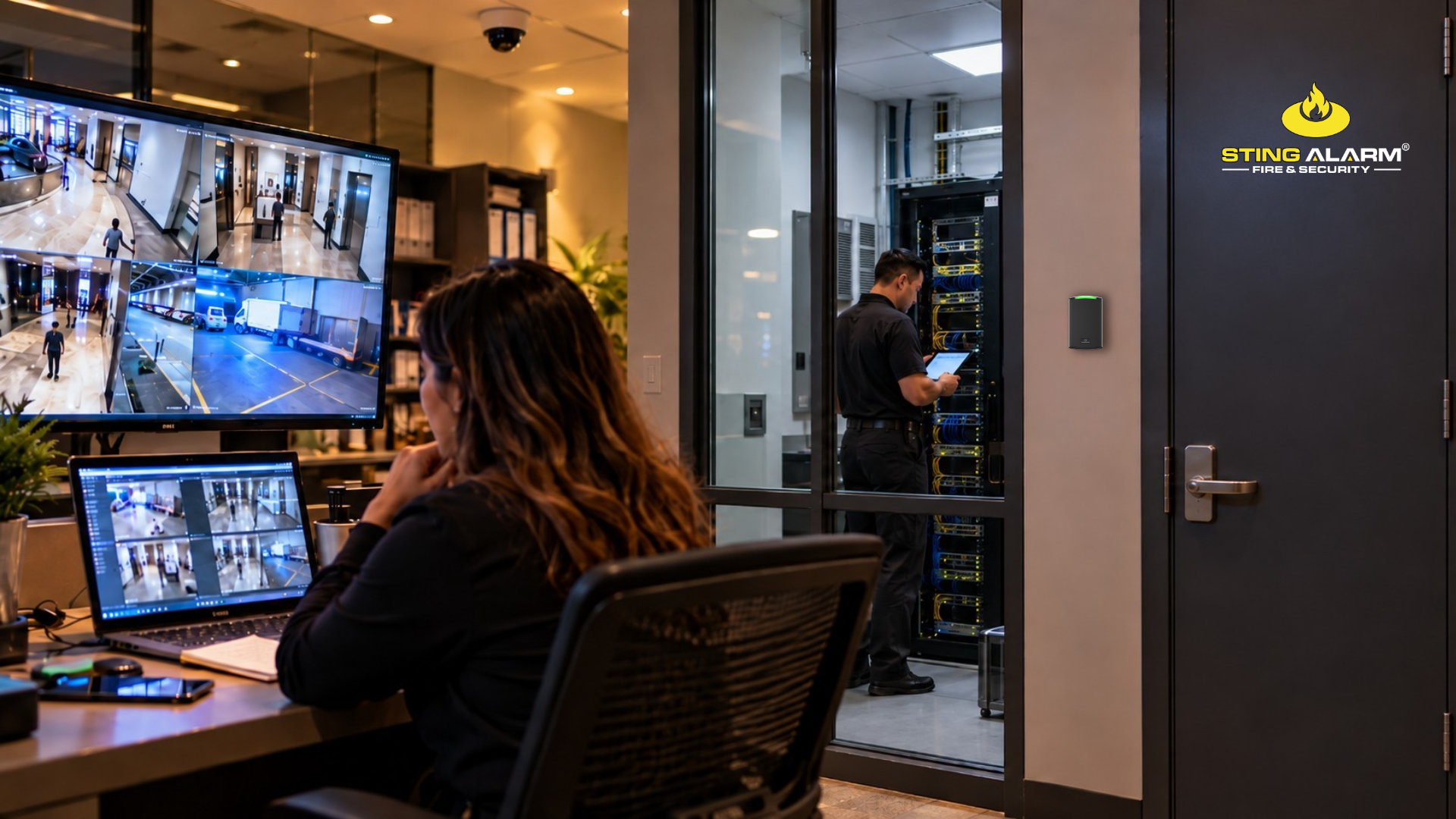
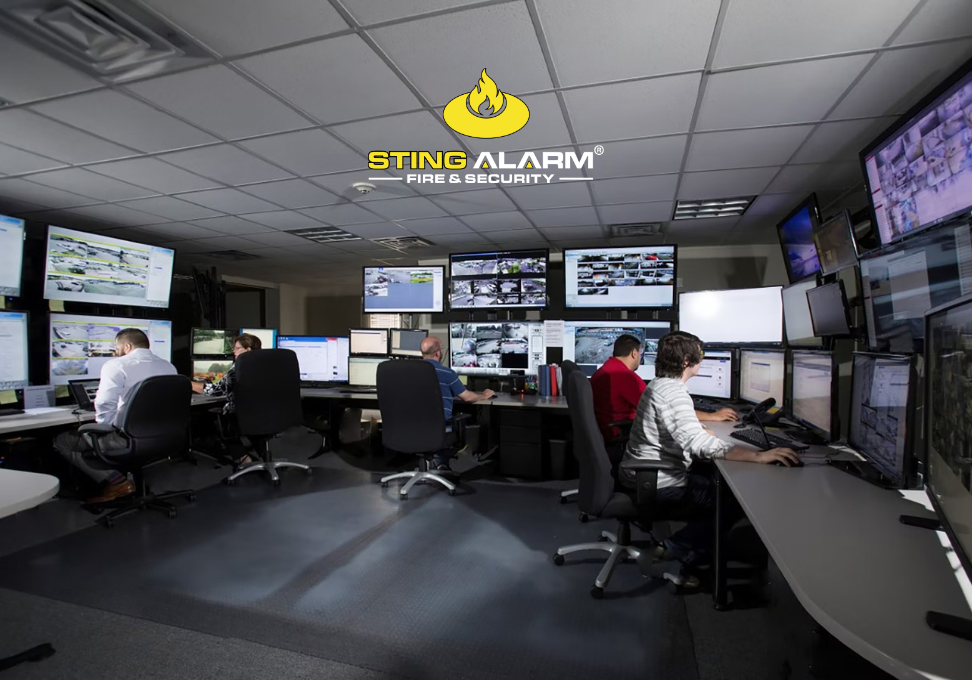
- A live security professional reviews the video. The operator examines the available camera view and site instructions to determine whether the activity appears authorized, routine, or concerning.
- The operator may intervene. When the situation and equipment allow, the operator can issue a direct verbal warning through an on-site speaker. A live professional delivers the warning in response to the event. It is not a message triggered by every motion alert.
- The response plan guides escalation. Depending on the video and account instructions, the operator may document the event, contact a designated employee, coordinate patrol response, or contact law enforcement. Police dispatch decisions and arrival times remain with the responding agency.
This workflow gives the monitoring team more context than an alarm signal alone. Its effectiveness still depends on camera placement, image quality, lighting, detection zones, speaker coverage, and accurate contact instructions.
Where Remote Guarding Can Support Retail Operations
Retail remote guarding is most useful in exterior areas where the business needs visibility and a defined response after normal operating hours. Common coverage areas include:
- Storefront entrances and exits
- Parking lots, drive lanes, and employee parking areas
- Loading docks, receiving areas, and service corridors
- Trash enclosures and other low-traffic exterior spaces
- Perimeter gates, access points, and shared common areas
Coverage needs differ by property. A stand-alone store may focus on its doors, parking area, and receiving entrance. A shopping center may need coordination across common areas and tenant schedules. Grocery and convenience locations may need rules that distinguish overnight employees, vendors, and scheduled deliveries from activity that needs review.
The Business Case for Live Video Monitoring
Executives should evaluate remote guarding as an operating model, rather than as another camera purchase. Its main value is connecting detection with a defined action while an event is developing. This can support earlier intervention, consistent escalation, and clearer incident records for management review.
For multi-location retailers, consistent protocols can be especially valuable. Each site may have different hours or layouts. Leadership can still set common expectations for who receives a call, when a verbal warning is appropriate, and what belongs in an event record. This reduces dependence on informal practices that vary by location.
Event documentation may also help security, operations, risk, or insurance teams understand what occurred and how the response unfolded. Reports do not replace an investigation or guarantee an insurance outcome. They can, however, provide a clearer record than discovering an event only when staff return.
Comparing Remote Guarding With On Site Guards
Remote guarding and on-site guards serve different purposes. Cameras can show several selected areas at once. A remote operator can review activity without traveling across the property. An on-site guard provides a physical presence, can inspect areas outside camera coverage, and can handle tasks that require someone at the location.
Some retailers use remote guarding as the main after-hours coverage for selected exterior zones. Others combine it with patrol response or on-site personnel. A cost comparison should account for equipment, installation, monitoring hours, response procedures, staffed guard posts, and guard duties. A written, site-specific comparison is more useful than a broad savings percentage.
Questions to Ask Before Approving a Retail Remote Guarding Plan
A proposal should explain how the service will operate at the property. Camera count alone is not enough. Before approving a plan, ask:
- Which exterior areas and hours will receive live operator coverage?
- What types of activity will trigger review, and how will normal activity be filtered?
- How will employees, cleaners, vendors, and scheduled deliveries be handled?
- Where will speakers be installed, and when may an operator use a live warning?
- Who will be contacted, in what order, and under which circumstances?
- Can compatible existing cameras be used, or do image quality and coverage require changes?
- What event records and reports will be available to authorized members of the business team?
- How will procedures stay current when store hours, contacts, or access patterns change?
Document the answers and review them with the people who will receive calls or manage incidents. Assign responsibility for updating contacts, schedules, and site rules when operations change.
Plan Exterior Coverage Around Your Operation
Remote guarding works best when it reflects the way a retail property operates. A site review should cover blind spots, nighttime image quality, lighting, employee departure patterns, late deliveries, speaker placement, and operator authority. For a multi-location portfolio, leadership should also decide which response standards must stay consistent and which details need to remain site-specific.
Sting Alarm provides remote guarding for retail properties in the Las Vegas and Phoenix metro areas. Call 702-737-8464 in Las Vegas or 602-431-1300 in Phoenix, or request a free quote online to discuss after-hours exterior coverage for your location.