Medical Office Security: Access, Video, False Alarms, and Fire Compliance
What security a medical office needs: access control, video, after-hours protection, fewer false alarms, and monitored fire alarms, from one local team.

Conventional, addressable, wireless, and hybrid fire alarm systems explained, plus detector types, multi-family needs, and how to choose a fire protection firm.
Commercial fire alarm systems come in four main types: conventional, addressable, wireless, and hybrid, and the right one depends on your building's size, layout, occupancy, and what your local fire code requires. Small, simple buildings are often well served by a conventional system, while larger or multi-tenant buildings usually benefit from an addressable system that pinpoints each device. Sting Alarm designs, installs, monitors, and inspects commercial fire alarm systems in Las Vegas and Phoenix, and this guide explains the options and how to pick a provider.
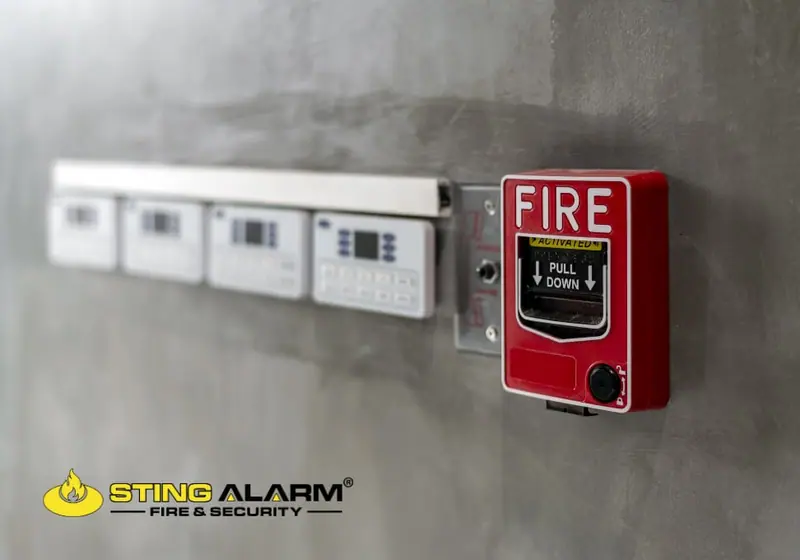
Every fire alarm system has the same core parts: initiating devices (smoke detectors, heat detectors, pull stations, sprinkler waterflow switches), a fire alarm control panel, notification appliances (horns, strobes, speakers), and a way to send signals to a monitoring center. The system types differ in how those devices talk to the panel.
A conventional system wires devices into zones. When a detector activates, the panel shows which zone is in alarm, such as "second floor east," but not which device. Conventional systems are straightforward and can be a cost-effective fit for small buildings with a few zones. The trade-off is that responders and technicians must search the whole zone to find the device that triggered, which takes longer in a bigger building.
An addressable system gives every device its own address on the circuit. The panel reports exactly which detector or pull station activated and where it is. Addressable panels also watch the health of each device, so a dirty detector or a fault shows up as a specific trouble signal instead of a vague zone problem. For mid-size and large commercial buildings, multi-tenant properties, and anywhere fast location matters, addressable is usually the better choice. We install and support Mircom fire alarm control units, including touchscreen panels that make fire event history easy to review.
Wireless fire alarm systems use supervised radio links between devices and the panel instead of running wire to every device. They can make sense in historic buildings, finished spaces where running wire is disruptive, or temporary structures. Wireless devices rely on batteries and radio coverage, so they need the same disciplined testing and maintenance as any other system, and they must be listed for fire alarm use and accepted by your fire authority.
A hybrid system combines wired and wireless devices on one panel. It is common when a building expands or a renovation adds rooms that are hard to wire, so the existing wired system stays in place and wireless devices fill the gaps.
Inside any of those systems, the detectors themselves sense fire in different ways.
A good design puts the right detector in each space. Putting a smoke detector over a cooking line or in a dusty warehouse invites false alarms, while relying on heat detection in an office can delay warning.
Fires in apartment buildings and other multi-family properties can spread between units and put every resident at risk. Many multi-family buildings are required to have a fire alarm system, depending on size, height, and occupancy under the fire code your local authority enforces. Beyond the alarm itself, these properties often have sprinklers, standpipes, fire pumps, and kitchen hood suppression that all need to work together.
What matters most for owners and managers:
Brand names matter less than the team that designs, installs, and services your system. When you compare fire protection companies in Las Vegas or Phoenix, look at these factors:
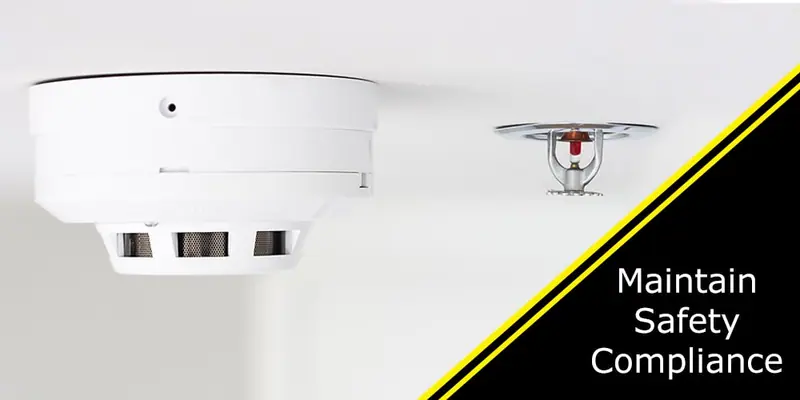
A fire alarm does its job best when it works with the rest of the building. Integrated with access control, the fire alarm can release locked doors on egress paths during an alarm. Integrated with video, it gives managers a view of the affected area during an event. And when one company handles fire and business security systems, changes to the building are reviewed across both systems at once, with one set of records.
For a deeper look at options for commercial buildings, read our guide to commercial fire alarm system options. If you are not sure your current system still fits your building, see what Las Vegas fire inspectors expect.
Choosing a fire alarm system is a decision you will live with for years. Sting Alarm provides Life Safety Fire Protection from design through monitoring and inspection, so you have one vendor for the whole system. Call (702) 737-8464 in Las Vegas or (602) 431-1300 in Phoenix, or request a free quote.
The main types are conventional systems, which report alarms by zone; addressable systems, which identify each individual device; wireless systems, which use radio links between devices and the panel; and hybrid systems, which combine wired and wireless devices on one panel.
A conventional system groups devices into zones, so the panel tells you which zone is in alarm but not which detector. An addressable system gives every device its own address, so the panel shows exactly which detector or pull station activated, which speeds up response and troubleshooting.
Each senses a different kind of fire. Ionization detectors respond faster to fast, flaming fires, while photoelectric detectors respond faster to slow, smoldering fires. Combination detectors include both technologies. The right choice depends on the space and what the code and your system design call for.
Many multi-family buildings are required to have a fire alarm system, depending on their size, height, and occupancy under the fire code your local authority enforces. A fire protection contractor and the fire authority can confirm what your property needs.
Look for the right state licenses, experience with your type of building, in-house monitoring and inspection, clear documentation, and responsive local service. A company that designs, installs, monitors, and inspects your system keeps responsibility in one place.
What security a medical office needs: access control, video, after-hours protection, fewer false alarms, and monitored fire alarms, from one local team.
What fire protection a medical office needs to stay compliant: fire alarm design, recurring inspections, records, and why one vendor simplifies oversight.
Why schools, campuses, and daycares use wireless mesh fire alarm monitoring: how it works, signal speed, reliability without IT overhead, and daycare protocols.
Tell us about your building and a member of our fire protection team will walk you through your options.
★★★★★ Isaac and Isaac from Sting were amazing!!! They showed up on time and even got the installation done before the quoted time. Isaac explained how the system worked in detailed and set up my cameras and doorbell without any issues. I would recommend Sting to anyone looking to upgrade their security system and ask for Isaac.
★★★★★ From the beginning, Sting Alarm has been so easy to work with. From Jeff in Sales, to scheduling, and finally when our tech came out in a Saturday for the installation, everything was seamless. Our tech Isaac was fantastic. He was neat and cleaned up after the installation, and took time with me and my husband to get us set up on the app. He was patient, walking us through all the features.… Read on Google
★★★★★ Mike in service is an amazing tech. This morning he came out to replace our faulty smoke detector. He was professional, efficient, really friendly and took the time to explain everything clearly. The whole process was quick and stress-free—highly recommend Mike and Sting Alarm