
How Integrated Security Systems Help Las Vegas Businesses Reduce Operational Risk

Security systems are often installed with a single objective in mind. Most businesses begin with the goal of preventing theft or unauthorized access. While those concerns remain important, modern security technology now plays a broader role in supporting day-to-day operations.
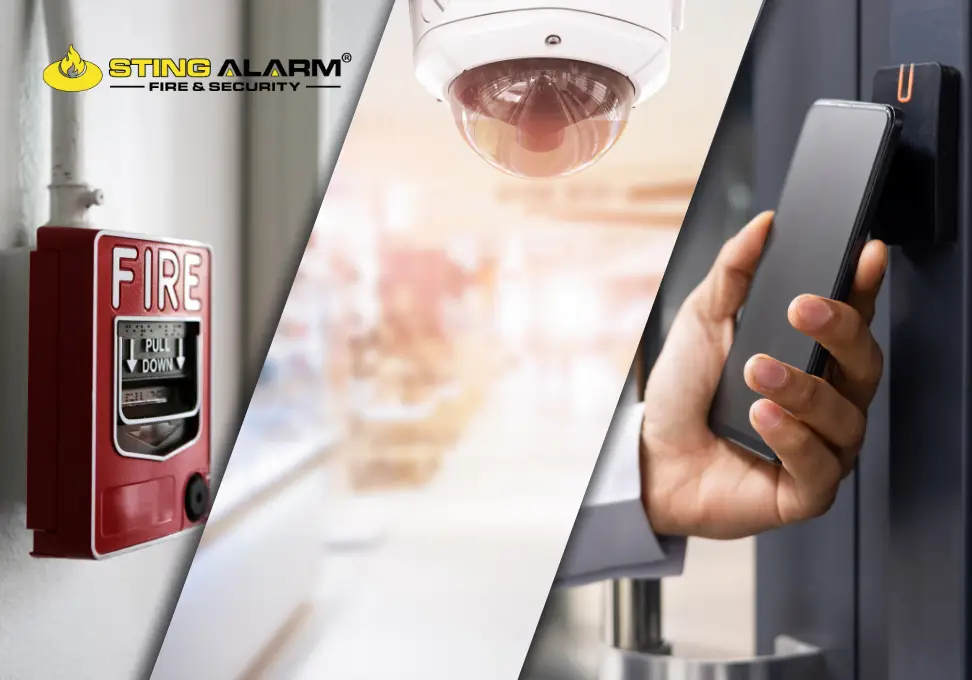
When surveillance cameras, access control systems, intrusion detection, and fire protection operate together, businesses gain clearer visibility into what is happening across their facilities. Instead of managing separate systems that operate independently, an integrated approach connects these technologies so they work together as a coordinated security environment.
For many Las Vegas businesses, this type of integration improves both security oversight and operational awareness.
Access Control and Workplace Accountability
Access control systems allow organizations to assign entry permissions based on employee roles and operational needs. Managers can determine which individuals may enter specific areas and when those permissions apply.
When access control is integrated with video surveillance, each entry event can be verified visually. If an access credential is used after hours or in an unexpected location, the corresponding video footage provides immediate context. Security teams can review who entered the space and confirm whether the activity was legitimate.
This connection between access data and video verification strengthens accountability while allowing businesses to maintain flexible operations.
If your business is evaluating how access control and surveillance could work together more effectively, contact Sting Alarm at (702) 737-8464 or schedule a consultation here.
Surveillance That Supports Operational Visibility
Video surveillance systems provide more than security footage. Cameras positioned throughout a facility can offer valuable insight into daily operations.
Managers may review activity in loading areas, entrances, or workspaces to confirm procedures are being followed or to understand how activity flows through a facility. When unusual events occur, integrated systems allow teams to review video footage alongside access records and alarm activity.
This combined perspective helps businesses determine what occurred and identify adjustments that may improve safety or operational efficiency.
Instead of searching through multiple systems for answers, managers can review relevant information in one place.
Fire Protection and Life Safety Awareness
Fire protection systems remain the backbone of life safety for commercial properties. When these systems are integrated with other security technologies, they provide additional context during emergency situations.
For example, if a fire alarm signal is triggered, integrated systems may allow responders or facility managers to review video footage from the affected area or confirm whether building access points were used shortly before the alarm occurred.
While the primary purpose of a fire alarm system is life safety, integration can improve situational awareness during an incident and support faster decision-making.
Simplifying Security System Management
Many businesses accumulate security technologies over time. Cameras may come from one provider, access control from another, and monitoring services from a third. While each component may function properly on its own, managing them separately can create unnecessary complexity.
Integrated systems simplify this environment by connecting these technologies under a unified structure. Security events can be reviewed more efficiently, and system management becomes more straightforward for facility teams.
Las Vegas businesses that manage office buildings, retail centers, warehouses, or multi-tenant properties often benefit from this approach because it provides clearer oversight across the entire facility.
If your business is exploring ways to bring surveillance, access control, fire protection, and monitoring into a single coordinated system, contact Sting Alarm at (702) 737-8464 or request a consultation here.
