
Medicine Cabinet Safety
Keep medicines away from kids and out of the wrong hands. Simple medicine cabinet safety steps, plus how a contact sensor alerts you when the cabinet opens.
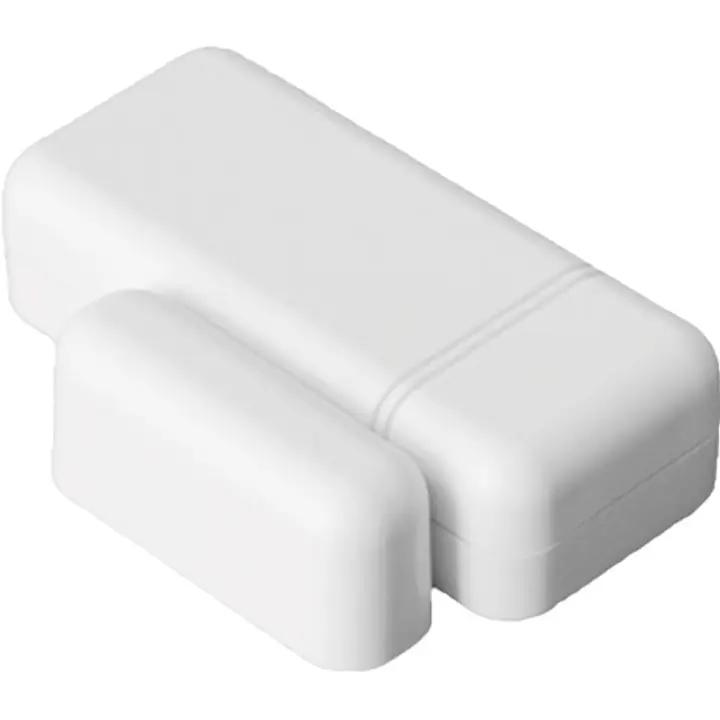
Medicine cabinet safety comes down to three things: store medicines up high and locked, put them away right after each use, and know when the cabinet is opened. A small contact sensor on the cabinet door, connected to your security system, sends an alert to your phone whenever it opens and can remind you if a loved one has not taken their medication. It is a simple way to protect young children and keep prescriptions out of the wrong hands.
Why medicine safety matters
Over-the-counter and prescription medicines treat everything from headaches to serious illness, and most homes keep them in a bathroom cabinet that anyone can reach. That makes them easy to misuse.
Young children
For toddlers, the bathroom can be the most hazardous room in the house, especially once they can climb onto a counter. Children often copy what they see adults do, including taking pills. According to poison center data for 2020 through 2024, pain medicines (analgesics) were the substance category most often involved in poisoning deaths of children 5 and younger (National Capital Poison Center, poison.org).
Teens and visitors
Prescription painkillers and other medicines can also be taken by teens, guests, or workers in your home. No one wants to be suspicious of people they trust, but leftover prescriptions in an open cabinet are an easy target.
Medicine cabinet safety checklist
- Store medicines up high, out of sight, and in a locked cabinet or lockbox.
- Keep child-resistant caps closed tightly every time.
- Put medicines away right after each dose. Do not leave them on the counter.
- Keep track of how many pills are in each prescription bottle.
- Dispose of expired and unused medicines at a take-back location.
- Save the Poison Control number, 1-800-222-1222, in your phone.
Use a contact sensor on your medicine cabinet
One of the easiest ways to keep track of your medicine cabinet is a wireless contact sensor on its door. It is the same small sensor used on doors and windows in a smart home security system, and it can:
- Send a phone alert any time the cabinet door is opened, without setting off the alarm.
- Create a no-show reminder. With Alarm.com, you can get an alert if the cabinet has not been opened by a certain time of day. If an aging parent lives with you, that is a respectful way to check that they took their medication without asking.
- Keep a history in the app so you can see when the cabinet was opened.
The same approach works on a liquor cabinet, gun safe, or any drawer you want to know about.
More ways to keep your family safe
A medicine cabinet sensor is one piece of a safer home. For more ideas on protecting kids, aging parents, and pets, read our home safety guide for families.
Interested in adding sensors to your system? Get a free quote or call (702) 737-8464 and a Sting Alarm specialist will help.
Frequently asked questions
How do I make my medicine cabinet safe for kids?
Store medicines up high and out of sight, use a cabinet lock or a locking box, keep child-resistant caps closed tightly, and put medicines away right after each use. A contact sensor on the cabinet door can also send an alert to your phone whenever it opens.
Can a security system tell me when the medicine cabinet is opened?
Yes. A small wireless contact sensor on the cabinet door connects to your security system and can send a phone notification each time the door opens, without setting off the alarm.
Can a sensor remind me if a family member did not take their medicine?
Yes. With Alarm.com, you can set a no-show alert that notifies you if the medicine cabinet has not been opened by a certain time of day.
What should I do if a child swallows medicine?
Call Poison Control at 1-800-222-1222 right away, or 911 if the child is having trouble breathing, has collapsed, or will not wake up.